Cholera in Nigeria: How Clean Water Access Determines Who Gets Sick
Published 8 July 2026
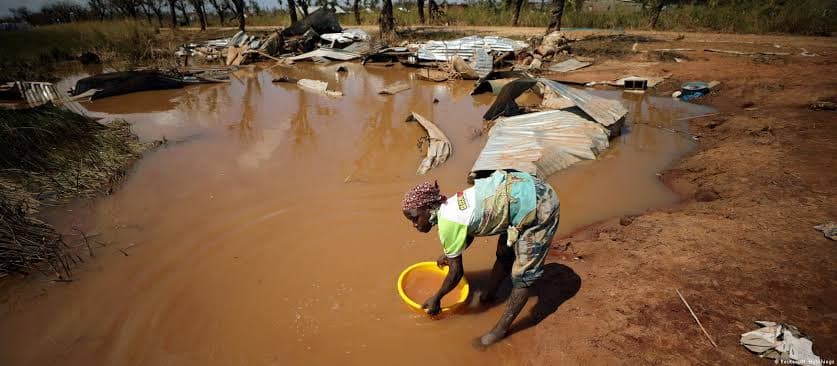
Cholera returns to Nigeria every rainy season, and 2026 is no different. Learn how contaminated water spreads it, the real prevention steps, and what to do if symptoms appear.
Cholera Returns Every Rainy Season, and 2026 Is No Different
In April 2026, the Nigeria Centre for Disease Control and Prevention placed ten states on high alert following forecasts of heavy rainfall and flooding between 13 and 17 April. Adamawa, Enugu, Kaduna, Kogi, Niger, Osun, Oyo, Plateau, Taraba, and Kwara were named as facing an elevated risk of cholera and other disease outbreaks. NCDC Director-General Dr Jide Idris was direct about why: "Flooding during this period can rapidly increase the risk of disease outbreaks due to contamination of drinking water sources, disruption of sanitation systems, and increased exposure of communities to unsafe environmental conditions."
By June 2026, that risk had materialised in Borno State, where a cholera outbreak deepened sharply, with reported deaths prompting senators to demand an emergency national response. Separately, ongoing surveillance through the year showed cases persisting across states including Adamawa, Bauchi, Kano, Katsina, Zamfara, Kogi, Plateau, and Kaduna, even as new case numbers fluctuated.
Why Cholera Keeps Coming Back
Cholera has been recurring in Nigeria since 1970, with major outbreaks in 1991, 1999, 2010, 2018, and most years since. The disease is caused by ingesting food or water contaminated with the bacterium Vibrio cholerae, and it thrives wherever water, sanitation, and hygiene infrastructure is weak. The NCDC has been consistent on this point: the major challenge leading to outbreaks of cholera is poor water and hygiene facilities in many states, which contributes to the spread of the disease and yearly outbreaks across the country.
Nigeria's seasonal flooding compounds this every year. Heavy rainfall contaminates drinking water sources, overwhelms drainage and sanitation systems, and creates the conditions cholera needs to spread quickly, particularly in densely populated areas with limited access to safe water.
How to Recognise Cholera Early
Cholera causes acute, watery diarrhoea that can lead to severe dehydration within hours if untreated. Mild cases can be asymptomatic or present as ordinary diarrhoea, but severe cases involve profuse watery diarrhoea, vomiting, rapid dehydration, and muscle cramps, progressing to shock if not treated promptly. The speed at which dehydration can set in is what makes cholera dangerous, and it is also why treatment, when started early, is highly effective.
How to Protect Your Household
Most cholera prevention comes down to controlling what you drink and how you handle food and waste. Boil or properly treat drinking water if you are uncertain about its source, particularly during and after heavy rainfall. Wash your hands with soap before eating and after using the toilet. Store water in clean, covered containers, and avoid drinking from open wells, rivers, or streams that could be contaminated by floodwater or runoff from latrines.
If you live in a flood-prone area, take the NCDC's seasonal alerts seriously even if your specific neighbourhood has not yet recorded a case. The agency has been explicit that these risks are preventable with early action, and that community vigilance and prompt care-seeking can prevent outbreaks from escalating.
What to Do If You or a Family Member Gets Sick
Do not delay seeking care if you or someone in your household develops sudden, severe diarrhoea and vomiting, especially after recent flooding or rainfall in your area. Oral rehydration salts can manage mild to moderate dehydration, but severe dehydration requires intravenous fluids and should be treated at a health facility immediately. Antibiotics such as doxycycline, azithromycin, or ciprofloxacin can shorten the duration and severity of illness when prescribed by a healthcare provider. Zinc supplements are particularly beneficial for children to reduce the duration and severity of diarrhoea.
NCDC's Dr Idris has urged residents not to delay: "Do not delay in seeking care at the nearest health facility if you feel unwell. Early treatment saves lives and helps prevent wider spread."
Knowing Where to Go Before the Rains Come
Cholera's danger lies in how quickly it can dehydrate a person, which makes the distance to a functioning health facility a genuinely life-or-death factor. If you live in one of the states regularly affected by seasonal flooding, knowing in advance which nearby hospitals and clinics have oral rehydration and IV capacity is worth confirming before the rainy season, not during a crisis.
Medicall's verified healthcare directory helps you locate hospitals and clinics near you equipped to treat dehydration and waterborne illness quickly.
Find a hospital equipped for cholera treatment near you on Medicall.
Frequently Asked Questions
Which Nigerian states are most at risk of cholera in 2026?
The NCDC has flagged several states for heightened cholera risk during periods of heavy rainfall, including Adamawa, Bauchi, Kano, Katsina, Zamfara, Kogi, Plateau, and Kaduna, with a significant outbreak also reported in Borno State in mid-2026. Risk generally rises across flood-prone states during the rainy season.
How does cholera spread?
Cholera spreads through ingesting food or water contaminated with the bacterium Vibrio cholerae. Contamination typically occurs when sanitation infrastructure is overwhelmed, such as during flooding, allowing sewage to mix with drinking water sources.
What are the symptoms of cholera?
Cholera causes acute, watery diarrhoea that can range from mild to severe, with severe cases involving profuse diarrhoea, vomiting, rapid dehydration, and muscle cramps. Dehydration can become life-threatening within hours if untreated.
Is cholera treatable?
Yes. Mild to moderate dehydration can be treated with oral rehydration salts, while severe dehydration requires intravenous fluids at a health facility. Antibiotics can shorten the illness, and zinc supplements help reduce severity in children. Early treatment significantly improves outcomes.
How can I protect my family from cholera during the rainy season?
Boil or properly treat drinking water, especially after heavy rainfall, wash hands with soap regularly, store water in clean covered containers, and avoid drinking from open or potentially contaminated water sources. Seek medical care immediately if symptoms of severe diarrhoea or dehydration appear.