Ebola Preparedness in Nigeria 2026: What You Need to Know
Published 18 July 2026
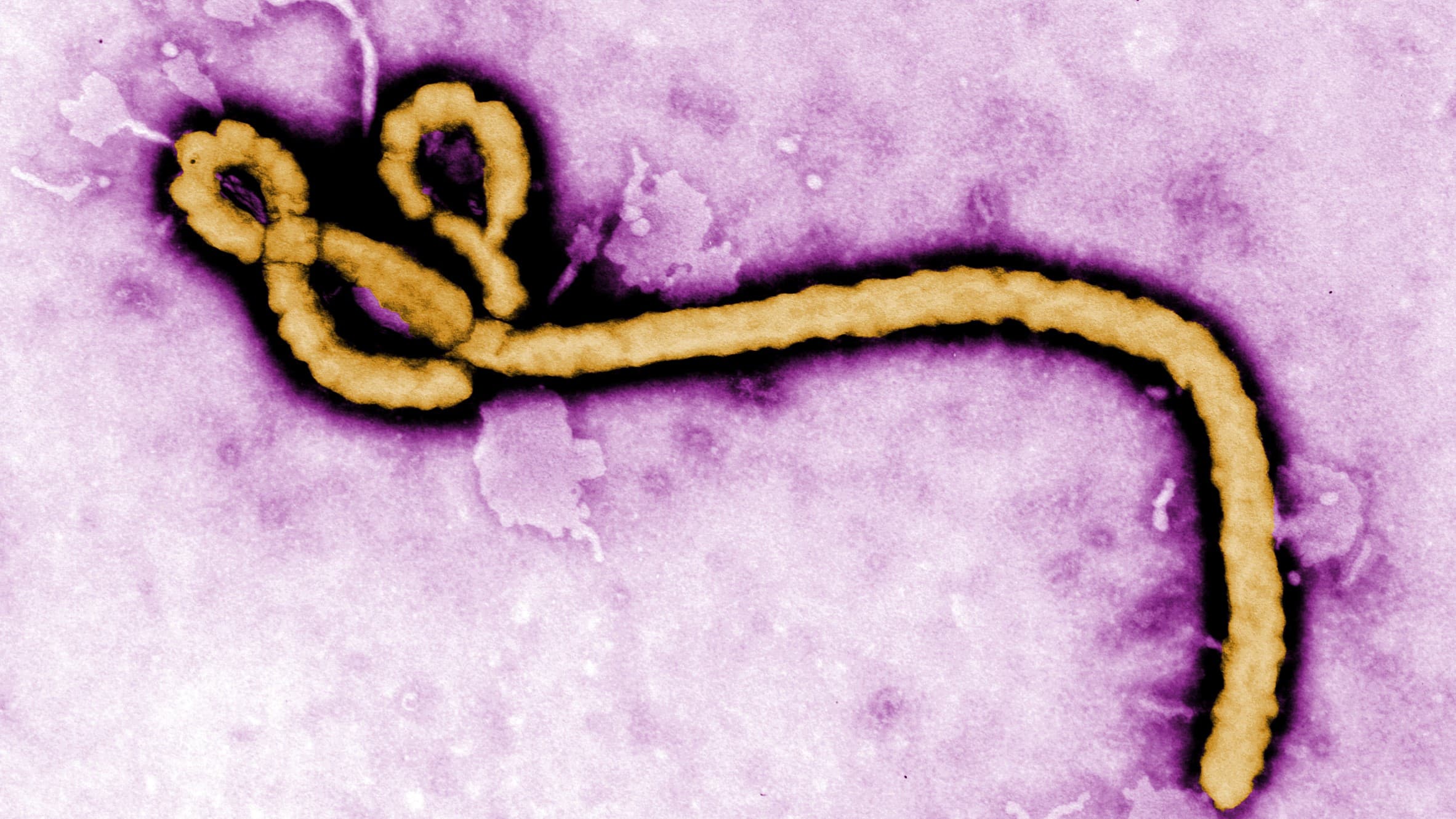
Nigeria has no confirmed Ebola case in the 2026 Bundibugyo outbreak, but the NCDC is not treating that as a reason for complacency. Here is what the advisories say you should know and watch for.
Why Ebola Is Back in the News in 2026
On 15 May 2026, the Democratic Republic of Congo confirmed an outbreak of Ebola disease in Ituri Province, caused by the Bundibugyo virus. Cases were also confirmed in Uganda's capital, Kampala. The World Health Organization declared the outbreak a Public Health Emergency of International Concern on 17 May 2026, and the Africa Centres for Disease Control and Prevention followed with its own Public Health Emergency of Continental Security declaration the next day. By late June 2026, the outbreak had caused 321 confirmed deaths in the DRC and two in Uganda, with imported cases also reported in France.
Nigeria has no confirmed case of this outbreak as of this writing. But the Nigeria Centre for Disease Control and Prevention has not treated that as a reason for complacency. In a national public health advisory, the NCDC drew "urgent attention to the evolving Bundibugyo Ebola Virus Disease outbreak," stressing the need for Nigeria to strengthen preparedness before any suspected case is detected within the country.
Why This Outbreak Is Different
Most people's mental image of Ebola comes from the 2014 to 2016 West African outbreak, which was caused by the Zaire ebolavirus species. This outbreak is different. It is caused by the Bundibugyo virus, a rarer species for which there is currently no approved vaccine or specific treatment. Existing Ebola vaccines were developed and certified against the Zaire species, which complicates the response considerably. The Coalition for Epidemic Preparedness Innovations announced funding on 1 June 2026 to fast-track three vaccine candidates, allocating $3.2 million to IAVI, $50 million to Moderna, and $8.6 million to the University of Oxford, but none of these are yet deployed at scale.
Lagos State did not wait for a confirmed case before acting. On 24 May 2026, the state government intensified Ebola surveillance, joining a wave of regional responses that included Rwanda introducing mandatory quarantine for travellers returning from the DRC and Mauritania activating emergency surveillance protocols.
What Nigeria's Health Workers Have Been Told to Watch For
The NCDC's advisory to states was specific and urgent. Health workers were told not to wait for visible bleeding before suspecting Ebola in a patient with compatible symptoms and relevant travel or exposure history. Early symptoms can be non-specific, including fever, fatigue, muscle pain, headache, sore throat, malaise, vomiting, diarrhoea, abdominal pain, rash, and hiccups, only sometimes progressing to unexplained bleeding, bruising, or signs of shock. The incubation period ranges from two to 21 days, which is why travel and exposure history within the preceding three weeks remains central to assessing any suspected case.
Because no strain-specific vaccine or approved therapeutic exists for Bundibugyo virus, the NCDC has emphasised that early, aggressive, optimised supportive care is especially important. The Africa CDC has also recommended that diagnosis rely on real-time PCR molecular testing rather than antigen rapid diagnostic tests, since no current rapid test meets the required specifications for this particular strain.
What Preparedness Actually Looks Like
The national advisory framed Nigeria's preparedness goal clearly: every state and the FCT should be able to detect, contain, and respond swiftly to any suspected case while protecting health workers and sustaining essential health services elsewhere. That is a tall order in a country still working through a doctor shortage and uneven distribution of diagnostic capacity. Transmission occurs through direct contact with the blood or body fluids of a symptomatic or deceased infected person, contaminated materials, or infected animals, which means infection prevention and control protocols at the point of first contact, often a primary health centre or general hospital, matter enormously.
What You Can Do Right Now
You do not need to panic, but a few sensible habits go a long way. If you or someone in your household has travelled from or through an affected region in the past 21 days and develops a fever or any of the symptoms above, seek care immediately rather than waiting to see if it passes, and tell the health worker about your travel history clearly. Avoid direct contact with the blood or body fluids of anyone who is severely ill, and avoid handling the body of anyone who has died from an unexplained illness without proper protective equipment.
Knowing in advance which hospitals near you have isolation capacity and infectious disease protocols in place is also worth doing before, not during, a health scare. Medicall's verified healthcare directory helps you identify properly equipped facilities near you, so if you ever do need to act on travel-related symptoms, you already know where to go.
Find a verified hospital with infectious disease capacity near you on Medicall.
Frequently Asked Questions
Is there an Ebola outbreak in Nigeria in 2026?
No. As of this writing, Nigeria has no confirmed case of the 2026 Bundibugyo Ebola outbreak, which is centred in the Democratic Republic of Congo and Uganda. The NCDC has issued national preparedness advisories as a precaution given the regional spread risk.
Why is the 2026 Ebola outbreak harder to treat than previous ones?
The 2026 outbreak is caused by the Bundibugyo virus, a different species from the Zaire ebolavirus responsible for the 2014 to 2016 West African outbreak. Existing approved vaccines and treatments were developed for the Zaire strain and are not certified as effective against Bundibugyo virus, leaving fewer proven medical countermeasures available.
What are the early symptoms of Ebola?
Early symptoms can be non-specific and include fever, fatigue, muscle pain, headache, sore throat, malaise, vomiting, diarrhoea, and abdominal pain. Health workers are advised not to wait for visible bleeding or bruising before suspecting Ebola in a patient with a relevant travel or exposure history within the preceding 21 days.
How is Ebola transmitted?
Ebola spreads through direct contact with the blood or body fluids of a symptomatic or deceased infected person, contact with contaminated materials, or contact with infected animals. It does not spread through casual contact or airborne transmission.
What should I do if I have travelled from an affected region recently?
If you have travelled from or through an affected region within the past 21 days and develop a fever or other compatible symptoms, seek medical care immediately and inform the health worker of your travel history. Early reporting and assessment significantly improve outcomes and help prevent further spread.