How to Protect Your Family from Lassa Fever in Nigeria
Published 12 July 2026
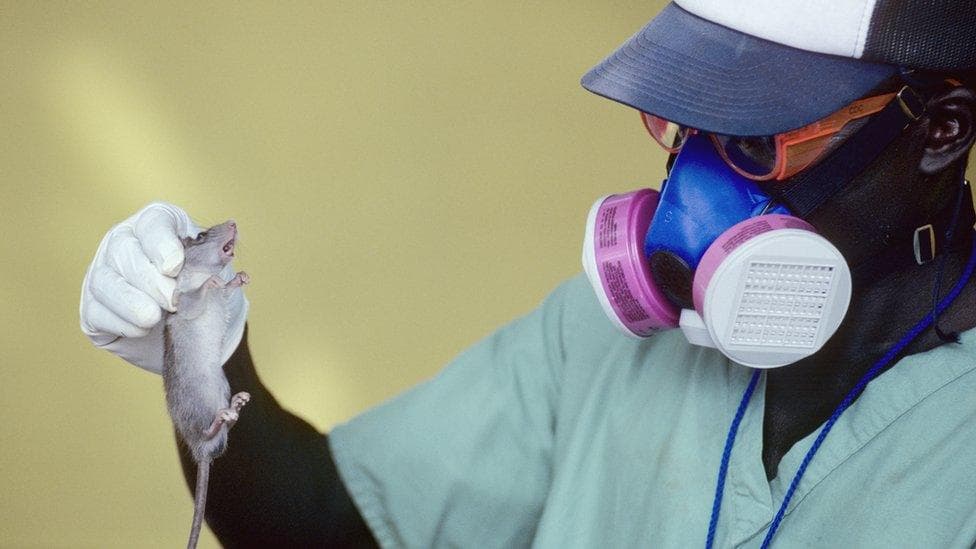
Lassa fever deaths are rising in Nigeria in 2026, with a case fatality rate near 25%. Learn the real prevention steps, the symptoms that set it apart from malaria, and when to seek care immediately.
A Deadlier Lassa Fever Season Than Usual
Nigeria experiences a Lassa fever outbreak almost every year during the dry season, but the 2026 season has been notably more severe than recent years. By 10 May 2026, the country had recorded 793 confirmed cases and 204 deaths across 23 states, including 45 infections among health workers. By late June, the death toll had climbed to 214 with a case fatality rate of around 25%, compared to 18.9% recorded over the same period in 2025. Five states, Ondo, Bauchi, Taraba, Edo, and Benue, accounted for roughly 84% of all confirmed cases.
This guide explains what is driving the rise, who is most at risk, and the practical steps that genuinely reduce your chances of infection.
Why the Death Rate Is Higher This Year
The NCDC has been consistent in identifying the same underlying causes behind the rising case fatality rate. Late presentation and delayed care-seeking remain the single biggest driver, often linked to poor health-seeking behaviour and the high cost of treatment, which leads people to wait far too long before visiting a health facility. Inadequate environmental sanitation in affected communities and low awareness levels compound the problem, while a worrying number of infections have continued to occur in general outpatient and maternity settings within health facilities themselves, pointing to gaps in infection prevention and control even inside hospitals.
Young adults between the ages of 21 and 30 remain the most affected group, with a median age of 30 across confirmed cases in 2026, and infections have been roughly evenly split between men and women.
How Lassa Fever Actually Spreads
Lassa fever is caused by the Lassa virus, an arenavirus that is primarily transmitted to humans through contact with food or household items contaminated by infected rodents, particularly the multimammate rat, which is common across West Africa. Once a person is infected, the virus can also spread between people through direct contact with the blood, secretions, or bodily fluids of an infected individual, which is why healthcare settings without strict infection control measures have become a documented site of transmission this season.
Practical Prevention Steps for Your Household
Most prevention advice comes down to limiting contact between your home and rodents. Store grains and other food items in rodent-proof containers, and keep food covered at all times rather than left exposed overnight. Dispose of household waste away from your home in covered receptacles, since uncovered waste attracts rodents looking for food. Keep your home and surrounding compound clean, and seal any visible holes or gaps that could allow rodents to enter. Avoid catching or eating rats, even where this has historically been a food source in some communities, since handling or consuming an infected rodent is a direct transmission route.
If you live in or are visiting one of the high-burden states, particularly Bauchi, Ondo, Taraba, Edo, or Benue, these precautions matter even more during the dry season months when transmission typically peaks.
Recognising the Symptoms Early
Lassa fever symptoms often start non-specifically and can be mistaken for malaria or typhoid, which itself contributes to delayed diagnosis. Watch for fever, headache, sore throat, cough, nausea, vomiting, diarrhoea, muscle pain, chest pain, and in some cases hearing loss. The disease is treatable with ribavirin and supportive care, and outcomes improve significantly when treatment begins early, which is precisely why the NCDC has urged health workers to maintain a high index of suspicion rather than waiting for more severe symptoms to appear.
If you or someone in your household develops these symptoms, especially with a history of contact with rodents or their droppings, or contact with a confirmed or probable Lassa fever case within the previous 21 days, visit the nearest health facility without delay. You can also call the NCDC toll-free line or your State Ministry of Health hotline to report symptoms or get guidance.
Why Early Action Genuinely Saves Lives Here
Unlike some outbreaks where treatment options remain limited regardless of timing, Lassa fever responds well to early intervention. The gap between Nigeria's 2025 and 2026 case fatality rates is largely attributable to how quickly people sought care, not a change in the virus itself. This makes knowing where to go for care, before symptoms appear, one of the most practical things you can do.
Medicall's verified healthcare directory can help you identify hospitals and clinics near you with infectious disease capacity, so you are not searching for somewhere to go while symptoms are already worsening.
Find a hospital equipped to treat Lassa fever near you on Medicall.
Frequently Asked Questions
How many Lassa fever cases has Nigeria recorded in 2026?
By late June 2026, the NCDC had recorded over 200 confirmed deaths from Lassa fever during the year, with a case fatality rate of around 25%, higher than the roughly 19% recorded during the same period in 2025. Five states, Ondo, Bauchi, Taraba, Edo, and Benue, accounted for the large majority of confirmed cases.
How does Lassa fever spread?
Lassa fever spreads primarily through contact with food or household items contaminated by infected rodents, particularly the multimammate rat. It can also spread between people through direct contact with the blood, secretions, or bodily fluids of an infected person, including in healthcare settings without adequate infection control.
What are the early symptoms of Lassa fever?
Early symptoms include fever, headache, sore throat, cough, nausea, vomiting, diarrhoea, muscle pain, and chest pain, and can closely resemble malaria or typhoid. This overlap is a major reason diagnosis is often delayed.
Is Lassa fever treatable?
Yes. Lassa fever is treatable with the antiviral drug ribavirin combined with supportive care, and outcomes improve significantly when treatment begins early. This is why health authorities emphasise seeking care immediately rather than waiting for symptoms to worsen.
How can I protect my household from Lassa fever?
Store food in rodent-proof, covered containers, dispose of waste properly away from your home, keep your home clean, and seal entry points that rodents could use. Avoid catching or eating rats. If you live in a high-burden state, these precautions are especially important during the dry season.