Telemedicine in Nigeria: Can a Video Call Replace a Hospital Visit
Published 17 July 2026
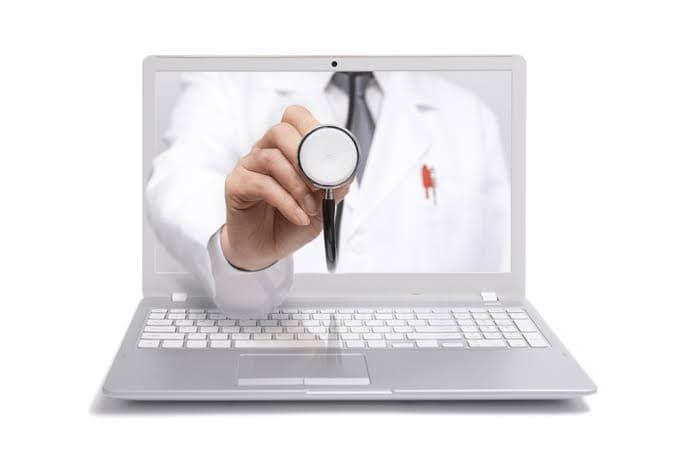
Telemedicine has grown fast in Nigeria, but it has real limits. Learn what a video consultation is genuinely good for, what it cannot replace, and how to use it wisely.
Can a Video Call Actually Replace a Hospital Visit?
Telemedicine has moved from a niche curiosity to a mainstream part of Nigeria's healthcare conversation in the span of about five years. Funmi Adewara, Founder and CEO of Mobihealth, one of Nigeria's established telemedicine platforms, remembers a very different starting point. "When we started in 2017, telemedicine was still poorly understood, infrastructure was limited, there were no cohesive policies or guidelines, and trust in digital healthcare was low," she told TechCabal. "We had to educate patients, regulators, partners, and even healthcare professionals." The COVID-19 pandemic changed that almost overnight, normalising remote consultations in a way years of pre-pandemic effort had struggled to achieve.
What Telemedicine Is Actually Good At
Telemedicine works best for situations where a hands-on physical examination is not strictly necessary to provide useful medical guidance. Follow-up consultations after an initial diagnosis, medication management for stable chronic conditions, mental health consultations, minor symptom triage to determine whether an in-person visit is genuinely needed, and general health advice are all areas where a remote consultation can deliver real value without requiring the patient to travel to a facility.
For Nigerians dealing with distance, transport cost, or simply limited time, this can meaningfully reduce the friction of accessing basic medical guidance. A working parent juggling a job and childcare may be far more likely to get a quick remote consultation about a child's mild fever than to take an entire afternoon off to sit in a crowded waiting room for the same conversation.
What Telemedicine Cannot Replace
Telemedicine has clear limits, and reputable platforms are generally upfront about them. Anything requiring a physical examination, diagnostic imaging, laboratory testing, or hands-on procedures cannot be delivered through a screen. Emergencies, labour and delivery, surgery, and any condition where a doctor needs to physically assess the patient all require in-person care regardless of how sophisticated the telemedicine platform is. A remote consultation that suggests an in-person visit is needed should be treated as a serious recommendation, not a failure of the technology.
The Adoption Gap That Still Exists
Despite considerable growth, telemedicine in Nigeria has not reached universal acceptance or use. Many of the structural challenges that existed before the pandemic remain only partially addressed: internet connectivity is inconsistent in many parts of the country, smartphone penetration, while growing, is not universal, and trust in remote diagnosis still varies significantly between urban and rural populations and between generations.
There is also a regulatory dimension worth understanding. Not every platform offering remote consultations in Nigeria operates with the same level of oversight or connects patients to properly licensed practitioners. Before relying on a telemedicine service for anything beyond general health information, it is worth confirming that the doctors on the platform are registered with the Medical and Dental Council of Nigeria, the same standard that would apply to an in-person consultation.
How to Use Telemedicine Wisely
Treat a telemedicine consultation as a genuine medical encounter, not a casual chat. Prepare your symptoms, relevant history, and any questions in advance, just as you would for an in-person visit. Be honest about the limitations of what can be assessed remotely, and do not push for a diagnosis a doctor is not comfortable making without seeing you in person. If a remote consultation recommends an in-person follow-up, treat that recommendation seriously rather than as an inconvenience to avoid.
Telemedicine works best as one tool within a broader relationship with the healthcare system, not as a replacement for knowing which in-person facilities near you are available when a physical visit becomes necessary.
Medicall's verified healthcare directory complements telemedicine by helping you identify physical hospitals and clinics near you for the moments when remote consultation is not enough.
Find a verified hospital near you for in-person care on Medicall.
Frequently Asked Questions
What can telemedicine actually be used for in Nigeria?
Telemedicine works well for follow-up consultations, chronic disease management, mental health support, symptom triage, and general health advice, all situations where a hands-on physical examination is not strictly necessary.
What can telemedicine not replace?
Telemedicine cannot replace care that requires physical examination, diagnostic imaging, laboratory testing, hands-on procedures, emergencies, labour and delivery, or surgery. These all require in-person care regardless of the platform's sophistication.
How do I know if a telemedicine platform in Nigeria is legitimate?
Confirm that doctors on the platform are registered with the Medical and Dental Council of Nigeria, the same standard required for in-person consultations. Not every telemedicine service operates with equivalent oversight.
Why hasn't telemedicine been adopted more widely in Nigeria?
Inconsistent internet connectivity, uneven smartphone penetration, and varying levels of trust in remote diagnosis across different populations and regions continue to limit how widely telemedicine has been adopted, despite significant growth since the pandemic.
Should I trust a telemedicine consultation that recommends an in-person visit?
Yes. A recommendation for in-person follow-up should be treated as a genuine medical judgment, not a limitation of the platform. Reputable telemedicine services are upfront about what they cannot properly assess remotely.